Friday, February 27, 2015

Friday, February 6, 2015
The Sun King and Solar System Sizes
This Page requires a JavaScript capable browser.
- http://www.exploratorium.edu/ronh/solar_system/
- http://www.janeswalk.org/canada/toronto/walkable-planets/
- http://www.noao.edu/education/peppercorn/pcmain.html
Data from Journey through the Universe and the Exploratorium


Lunar Measurements and Impact Crators
Journey to the Universe: Lesson Plans and Activities


Making Craters (DRY MIX) http://teachers.greenville.k12.sc.us/sites/mdacko/Pages/DRY%20MIX%20and%20Graphing.aspx
The circular features so obvious on the Moon’s surface are impact craters formed when impactors smashed into the surface. The explosion and excavation of materials at the impacted site created piles of rock (called ejecta) around the circular hole as well as bright streaks of target material (called rays) thrown for great distances.
http://www.nasa.gov/pdf/180572main_ETM.Impact.Craters.pdf
http://www.teach-nology.com/teachers/lesson_plans/science/68moon.html


Friday, January 23, 2015
STEM to STEAM
What is STEAM?
In this climate of economic uncertainty, America is once again turning to innovation as the way to ensure a prosperous future. Yet innovation remains tightly coupled with Science, Technology, Engineering and Math – the STEM subjects. Art + Design are poised to transform our economy in the 21st century just as science and technology did in the last century. We need to add Art + Design to the equation — to transform STEM into STEAM.
http://stemtosteam.org/


Measurement
Earth’s gravity pulls on all objects. Near the surface of the earth, the acceleration of all objects due to gravity is the same. Drop a penny and a pen from the same height and they will hit the ground at the same time. When objects travel down an inclined plane, gravity is pulling them downward, but the plane is exerting a force on the object, which makes it fall along the plane rather than straight down. Two marbles, regardless of size, will accelerate at the same rate. The two marbles should reach the bottom of the plane at the same time.


Thursday, January 15, 2015
MSED 340
Using Engineering Principles
The fields of science and engineering are mutually supportive. New technologies expand the reach of science, allowing the study of realms previously inaccessible to investigation; scientists depend on the work of engineers to produce the instruments and computational tools they need to conduct research. Engineers in turn depend on the work of scientists to understand how different technologies work so they can be improved; scientific discoveries are exploited to create new technologies in the first place. Scientists and engineers often work together in teams, especially in new fields, such as nanotechnology or synthetic biology that blur the lines between science and engineering. Students should come to understand these interactions and at increasing levels of sophistication as they mature. Their appreciation of the interface of science, engineering, and society should give them deeper insights into local, national, and global issues. (NGSS)


Understanding the Nature of Scientific Literacy
SCIENTIFIC INQUIRY
Fundamentally, the various scientific disciplines are alike in their reliance on evidence, the use of hypothesis and theories, the kinds of logic used, and much more. Nevertheless, scientists differ greatly from one another in their recourse to fundamental principles; and in how much they draw on the findings of other sciences.
There are, however, certain features of science that give it a distinctive character as a mode of inquiry. Although those features are especially characteristic of the work of professional scientists, everyone can exercise them in thinking scientifically about many matters of interest in everyday life.


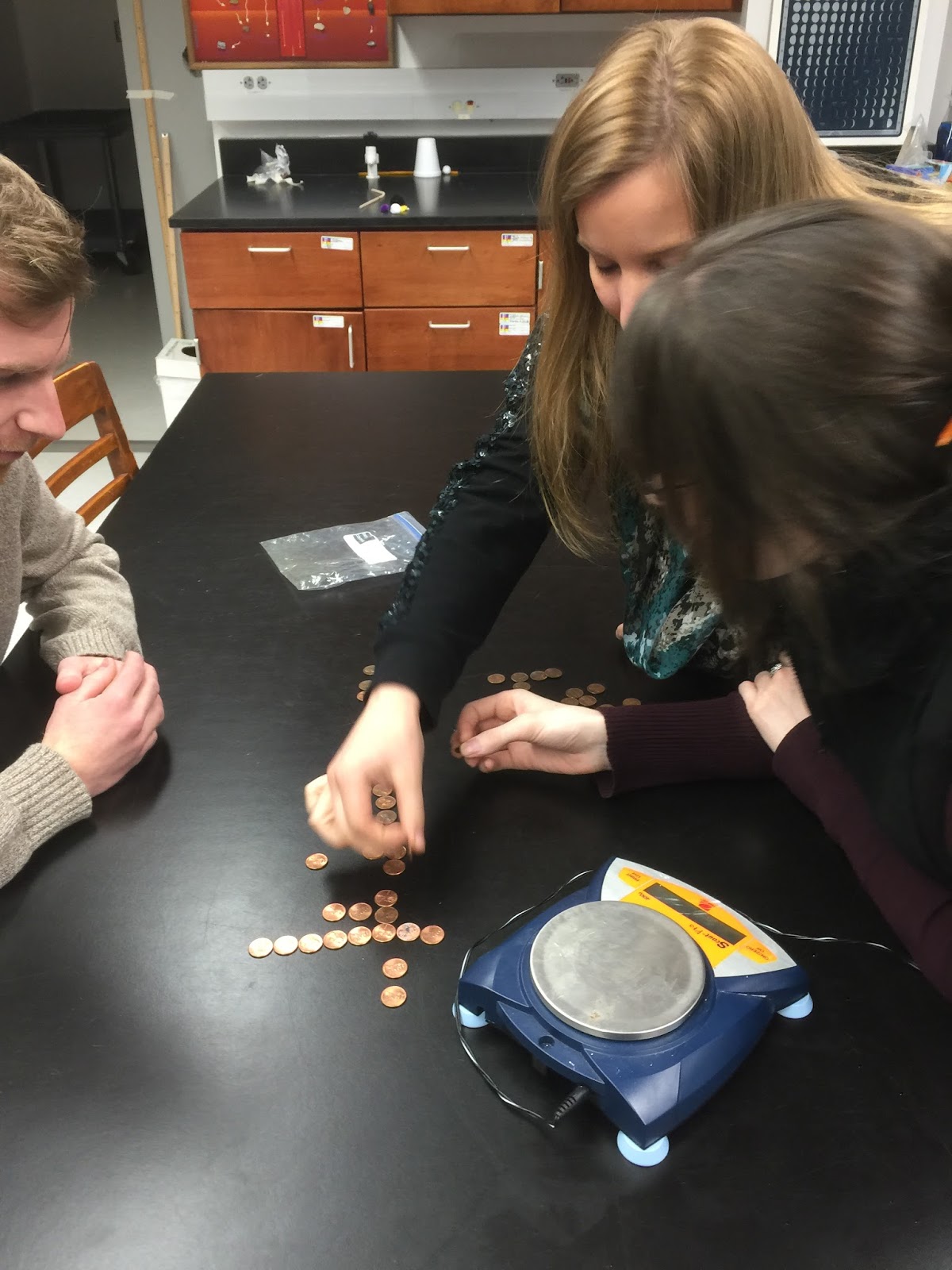
The fields of science and engineering are mutually supportive. New technologies expand the reach of science, allowing the study of realms previously inaccessible to investigation; scientists depend on the work of engineers to produce the instruments and computational tools they need to conduct research. Engineers in turn depend on the work of scientists to understand how different technologies work so they can be improved; scientific discoveries are exploited to create new technologies in the first place. Scientists and engineers often work together in teams, especially in new fields, such as nanotechnology or synthetic biology that blur the lines between science and engineering. Students should come to understand these interactions and at increasing levels of sophistication as they mature. Their appreciation of the interface of science, engineering, and society should give them deeper insights into local, national, and global issues. (NGSS)
Understanding the Nature of Scientific Literacy
SCIENTIFIC INQUIRY
Fundamentally, the various scientific disciplines are alike in their reliance on evidence, the use of hypothesis and theories, the kinds of logic used, and much more. Nevertheless, scientists differ greatly from one another in their recourse to fundamental principles; and in how much they draw on the findings of other sciences.
There are, however, certain features of science that give it a distinctive character as a mode of inquiry. Although those features are especially characteristic of the work of professional scientists, everyone can exercise them in thinking scientifically about many matters of interest in everyday life.
Friday, November 21, 2014
What are words for.
I love this stuff: http://www.huffingtonpost.com/paul-anthony-jones/say-what-the-literal-mean_b_6141414.html?utm_hp_ref=tw
AMETHYST literally means "not drunk." Because the stones were once believed to help prevent drunkenness, the name amethyst comes from a Greek word, methyskein, meaning "to make drunk" (which is itself a derivative of the Greek for 'wine', methys).
ANEMONE means "daughter of the wind." Sea anemones are named for the anemone flower, which was supposed by the Ancient Greeks to only open when the wind blew.
BANKRUPT means "broken bench." A 16th century corruption of the Italian banca cotta, meaning "broken" or "wrecked bench." According to Samuel Johnson, Italian moneylenders would supposedly break the bench at which they carried out their work to show that they had gone out of business.
CALAMARI means "pen-like." The name calamari originally referred to cuttlefish not squid, and it was probably the cuttlefish's tough, quill-shaped shell (and the fact that it seemed to be full of ink) that led to its name being adopted from calamus, a Latin word for "pen".
CASINO means "little house." A casino was originally a music hall or dance hall, where all kinds of different entertainments would be performed. It was a popular gamblers' card game called cassino (spelled with two Ss) that helped to alter its meaning in the early 1700s.
CONSPIRE means "to breathe together." The -spire of words like conspire, transpire, perspire and inspire is the Latin spirare, meaning "to blow" or "breathe." To conflate, incidentally, means "to blow together," while to conscript means "to write together."
CUL-DE-SAC means "bottom of the bag." Originally an anatomical term for a tube or sac open only at one end. Its use in reference to a dead end or to a road with no exit dates from the early 1800s.
CURFEW means "fire-cover." In Medieval France, rules were put in place to ensure that all candles, torches and stoves were extinguished at a certain time each night to prevent fires breaking out while everyone was asleep. In the sense of a daily directive brought into operation at a designated time, these rules - originally known as couvres-feux - ultimately became curfews in English.
GYMNASIUM means "place to train naked." Athletes in Ancient Greece trained in the nude, so words like gymnasium and gymnastics were taken from gymnos, the Greek word for "naked." Gymnophobia, incidentally, is a fear of being nude.
ICEBERG means "ice mountain." The Dutch word ijsberg was borrowed into English in the mid 1700s. Before then, icebergs had been known as icemounts.
IMPEDE means "to shackle the feet." The -pede is the same as in pedicure and pedometer.
INNUENDO means "giving a nod to." Derived from the Latin innuere, meaning "to nod", innuendo originally referred to any remark made parenthetically or tangentially.
KALEIDOSCOPE means "viewer of beautiful things." So named by its inventor, the Scottish physicist and mathematician Sir David Brewster, in 1817.
LADY means "bread-maker." Lady is a derivative of the Old English word hlæfdige, which is itself a compound of hlaf, meaning "bread" or "dough", and dæge, an Old English word for a housemaid or servant. It probably originally referred to the female head of a household, whose task it would once have been to prepare the day's bread.
MANGA means "wandering pictures." Manga was coined by the Japanese artist Katsushika Hokusai as far back as the early 1800s to describe a spontaneous and free-flowing style of drawing.
MEDIOCRE means "halfway up a mountain." In Latin, mediocris meant "of ordinary stature or standing". Its literal meaning (derived from okris, a Latin word for a rugged mountaintop) was probably figurative, in the sense of something being neither one thing nor another.
ORANGUTAN means "man of the forest." The name is Malay. It's possible that it was originally used by local tribes to describe other tribesmen who lived in the forest, but was mistakenly taken to refer to the great apes of the forest by European explorers in the late 1600s.
PANDEMONIUM - "place of all demons." Milton coined the word pandemonium as the name of the capital of Hell in Paradise Lost.
PRECOCIOUS means "ripening early." Hence it's used to refer to a child who seems bolder or more articulate than their age suggests.
PREPOSTEROUS means "before-behind." The preposterousness of preposterous comes from the fact that it combines two oxymoronic roots: the Latin prae, meaning "before", and posterus, meaning "after" or "subsequent to".
PREVARICATE means "to walk awkwardly." It comes from the Latin varicare, which was variously used to mean "to straddle", "to stretch the legs", or "to bend outwards". In English, prevaricate originally meant "to deviate from" or "to go transgress", and hence "to dawdle".
RANSACK means "search the house." Dating back to the mid 1200s at least, ransack is a compound of the Old Norse words for "house", rann, and "search", saka.
REDUNDANT means "full to overflowing." In the sense that trying to fill a container that is already full is literally redundant. The root of the word is the Latin verb undare, meaning "to rise and fall like waves".
REHEARSE means "to replow a field." The -hearse of rehearse is an old French word for a harrow, a pronged plow that turns the soil over as it is dragged across the surface.
SCHMALTZ means "melted fat." Borrowed into English from Yiddish, schmaltz is a derivative of an old German word, smalzen, meaning "to melt".
TELEPATHY means "feeling from afar." It was coined by the English psychologist Frederic Myers in 1882. The prefix tele- (as in telephone and television) implies distance, while the suffix -pathy implies a feeling or sensation (as in pathos and sympathy).
ULTRAMARINE means "beyond the sea." It originally specifically referred to the blue color of lapis lazuli stones, which were imported into Europe across the Mediterranean Sea from Asia.
VIDEO means "I see." If you know Latin, then you'll know that video is the first person singular present indicative of the verb videre, meaning "to see". Audio, incidentally, is the same conjugation of audire, meaning "to hear" or "listen".
VODKA means "little water." It was borrowed into English from Russian in the early 1800s.
WINDOW means "eye of the wind." Adopted in English from Scandinavia in the 13th century, window is a compound of the Norse words vindr, meaning "wind", and agua, meaning "eye."
AMETHYST literally means "not drunk." Because the stones were once believed to help prevent drunkenness, the name amethyst comes from a Greek word, methyskein, meaning "to make drunk" (which is itself a derivative of the Greek for 'wine', methys).
ANEMONE means "daughter of the wind." Sea anemones are named for the anemone flower, which was supposed by the Ancient Greeks to only open when the wind blew.
BANKRUPT means "broken bench." A 16th century corruption of the Italian banca cotta, meaning "broken" or "wrecked bench." According to Samuel Johnson, Italian moneylenders would supposedly break the bench at which they carried out their work to show that they had gone out of business.
CALAMARI means "pen-like." The name calamari originally referred to cuttlefish not squid, and it was probably the cuttlefish's tough, quill-shaped shell (and the fact that it seemed to be full of ink) that led to its name being adopted from calamus, a Latin word for "pen".
CASINO means "little house." A casino was originally a music hall or dance hall, where all kinds of different entertainments would be performed. It was a popular gamblers' card game called cassino (spelled with two Ss) that helped to alter its meaning in the early 1700s.
CONSPIRE means "to breathe together." The -spire of words like conspire, transpire, perspire and inspire is the Latin spirare, meaning "to blow" or "breathe." To conflate, incidentally, means "to blow together," while to conscript means "to write together."
CUL-DE-SAC means "bottom of the bag." Originally an anatomical term for a tube or sac open only at one end. Its use in reference to a dead end or to a road with no exit dates from the early 1800s.
CURFEW means "fire-cover." In Medieval France, rules were put in place to ensure that all candles, torches and stoves were extinguished at a certain time each night to prevent fires breaking out while everyone was asleep. In the sense of a daily directive brought into operation at a designated time, these rules - originally known as couvres-feux - ultimately became curfews in English.
GYMNASIUM means "place to train naked." Athletes in Ancient Greece trained in the nude, so words like gymnasium and gymnastics were taken from gymnos, the Greek word for "naked." Gymnophobia, incidentally, is a fear of being nude.
ICEBERG means "ice mountain." The Dutch word ijsberg was borrowed into English in the mid 1700s. Before then, icebergs had been known as icemounts.
IMPEDE means "to shackle the feet." The -pede is the same as in pedicure and pedometer.
INNUENDO means "giving a nod to." Derived from the Latin innuere, meaning "to nod", innuendo originally referred to any remark made parenthetically or tangentially.
KALEIDOSCOPE means "viewer of beautiful things." So named by its inventor, the Scottish physicist and mathematician Sir David Brewster, in 1817.
LADY means "bread-maker." Lady is a derivative of the Old English word hlæfdige, which is itself a compound of hlaf, meaning "bread" or "dough", and dæge, an Old English word for a housemaid or servant. It probably originally referred to the female head of a household, whose task it would once have been to prepare the day's bread.
MANGA means "wandering pictures." Manga was coined by the Japanese artist Katsushika Hokusai as far back as the early 1800s to describe a spontaneous and free-flowing style of drawing.
MEDIOCRE means "halfway up a mountain." In Latin, mediocris meant "of ordinary stature or standing". Its literal meaning (derived from okris, a Latin word for a rugged mountaintop) was probably figurative, in the sense of something being neither one thing nor another.
ORANGUTAN means "man of the forest." The name is Malay. It's possible that it was originally used by local tribes to describe other tribesmen who lived in the forest, but was mistakenly taken to refer to the great apes of the forest by European explorers in the late 1600s.
PANDEMONIUM - "place of all demons." Milton coined the word pandemonium as the name of the capital of Hell in Paradise Lost.
PRECOCIOUS means "ripening early." Hence it's used to refer to a child who seems bolder or more articulate than their age suggests.
PREPOSTEROUS means "before-behind." The preposterousness of preposterous comes from the fact that it combines two oxymoronic roots: the Latin prae, meaning "before", and posterus, meaning "after" or "subsequent to".
PREVARICATE means "to walk awkwardly." It comes from the Latin varicare, which was variously used to mean "to straddle", "to stretch the legs", or "to bend outwards". In English, prevaricate originally meant "to deviate from" or "to go transgress", and hence "to dawdle".
RANSACK means "search the house." Dating back to the mid 1200s at least, ransack is a compound of the Old Norse words for "house", rann, and "search", saka.
REDUNDANT means "full to overflowing." In the sense that trying to fill a container that is already full is literally redundant. The root of the word is the Latin verb undare, meaning "to rise and fall like waves".
REHEARSE means "to replow a field." The -hearse of rehearse is an old French word for a harrow, a pronged plow that turns the soil over as it is dragged across the surface.
SCHMALTZ means "melted fat." Borrowed into English from Yiddish, schmaltz is a derivative of an old German word, smalzen, meaning "to melt".
TELEPATHY means "feeling from afar." It was coined by the English psychologist Frederic Myers in 1882. The prefix tele- (as in telephone and television) implies distance, while the suffix -pathy implies a feeling or sensation (as in pathos and sympathy).
ULTRAMARINE means "beyond the sea." It originally specifically referred to the blue color of lapis lazuli stones, which were imported into Europe across the Mediterranean Sea from Asia.
VIDEO means "I see." If you know Latin, then you'll know that video is the first person singular present indicative of the verb videre, meaning "to see". Audio, incidentally, is the same conjugation of audire, meaning "to hear" or "listen".
VODKA means "little water." It was borrowed into English from Russian in the early 1800s.
WINDOW means "eye of the wind." Adopted in English from Scandinavia in the 13th century, window is a compound of the Norse words vindr, meaning "wind", and agua, meaning "eye."
Subscribe to:
Posts (Atom)