Saturday, September 20, 2014

The sun king and Rockets

The Sun King http://journeythroughtheuniverse.org/downloads/Content/Voyage_G58_L3.pdf


PAPER ROCKETS

Objective:
To design, construct, and fly paper rockets that will travel the greatest distance possible across a floor model of the solar system.

Description:
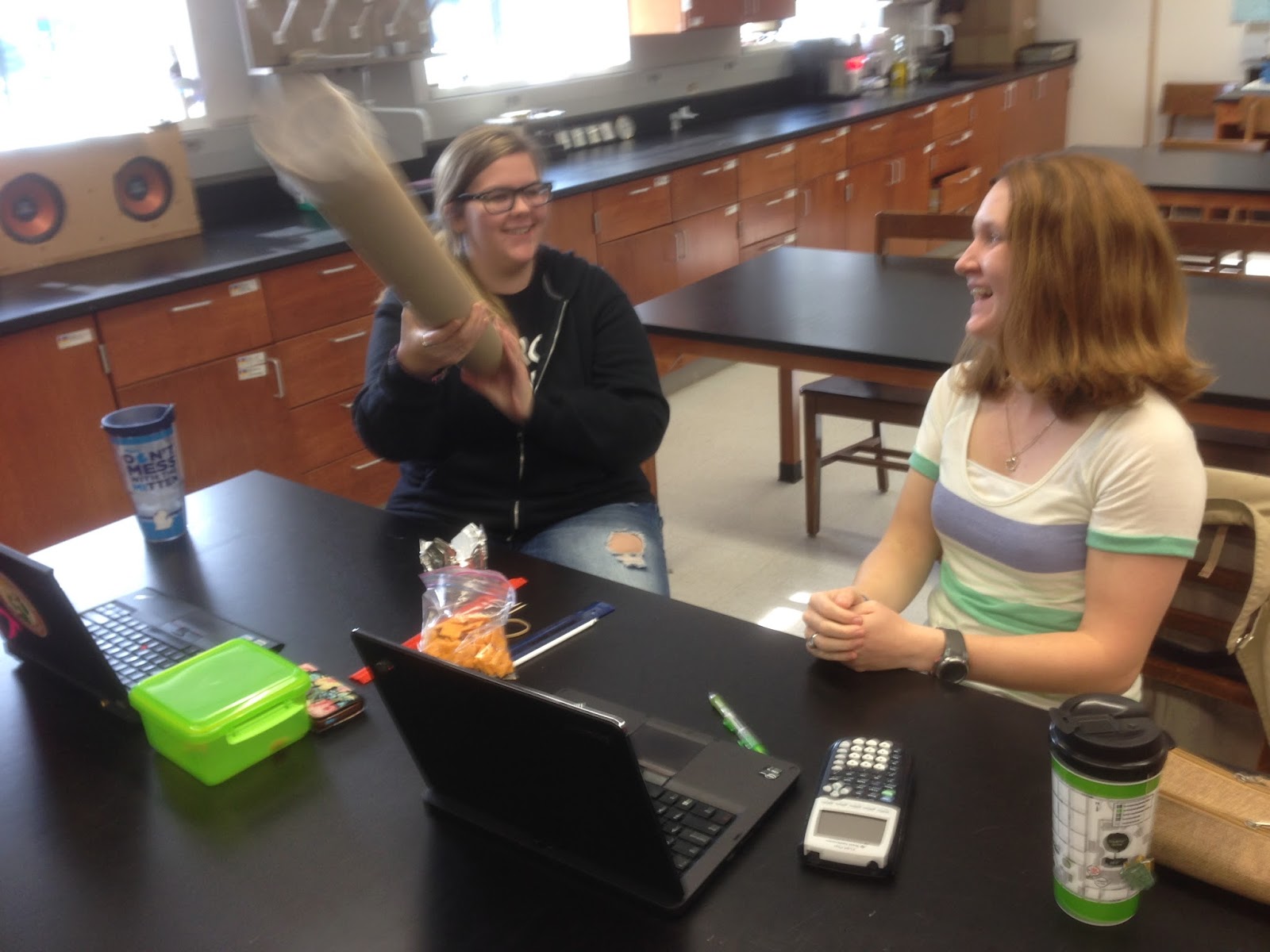
In this activity, students construct small flying rockets out of paper and propel them by blowing air through a straw.


Solar System Scale  http://www.exploratorium.edu/ronh/solar_system/ 


This page shows a scale model of the solar system, shrunken down to the point where the Sun, normally more than eight hundred thousand miles across, is the size you see it here. The planets are shown in corresponding scale.


http://www.phrenopolis.com/perspective/solarsystem/


NASAThis lesson allows students to visualize the comparative sizes and distances of solar system bodies by making solar system objects to scale using common objects, walking off the distances between planets and participating in a Web-based Sun/Earth scale model activity


http://solarsystem.nasa.gov/educ/docs/3-stardst-ch03.pdf

Wednesday, September 17, 2014

Craters


In this activity, your students will be exploring their ideas about what factors influence cratering. Your main task is to guide them as they design a formal test of a particular factor and look for patterns in their results. Your focus should be on the explanations of the results that your students are getting rather than on "right" answers that you expect them to get.
http://deepimpact.umd.edu/educ/mod_DesigningCraters/3design/tg_factors.pdf
 
https://solarsystem.nasa.gov/docs/Impact_Craters_Holes_508FC1.pdf


http://astronomy.nmsu.edu/agso/images/copernicus-size.jpg


Friday, September 12, 2014

Lunar phases

Yes it's only a paper moon......

The Moon Finder consists of two plates--a moon phases plate and a local horizon plate. First, make a plate that shows a God's-eye view of the moon in orbit around the earth, which is centered on the plate.  Place the sun on the perimeter of the plate and label the phases accordingly.  http://analyzer.depaul.edu/paperplate/activities.htm 

If possible affix images of the moon that show the moon in its respective phases.  One technique for planetarians is to cut out pictures from the lunar calendars of previous years that have been distributed courtesy of Evans and Sutherland.


This lesson is one of many grade K-12 lessons developed to bring the Voyage experience to ... Students will determine the actual distance to the Sun and the Moon ... How can we use models to measure the relative distances between the Sun ..... fly at the speed of a commercial jet plane to the Sun, it would take 17.5 years.


Friday, September 5, 2014

Fundamental Skills in Science


Fundamental Skills in Science: Observation.

"We value our sight above almost everything else. The reason for this is that of all the senses sight makes knowledge most possible for us and shows us the many differences between things." Aristotle, "Metaphysics", Book I

"You see but you do not observe." Sherlock Holmes to Dr. Watson in "A scandal in Bohemia"

 http://www.ericdigests.org/2004-1/skills.htm 

Fundamental Skills in Science: Measurement.

When you can measure what you are speaking about and express it in numbers, you know something about it." Lord Kelvin, speaking to the Institution of Civil Engineers, May 3, 1883

To suggest that measurement is important to doing science seems at best an understatement. It has been acknowledged that "while not every scientific fact is a numerical one, nor every scientific theory a predictor of numerical magnitudes, so many are that we cannot conceive of modern science without the process of measurement (Goldstein & Goldstein, 1978, p. 231).

http://www.ericdigests.org/2004-4/skills.htm